Everyone looks into a mirror at least once each morning. It may be a drowsy stare while brushing your teeth or a quick glance before heading out the door. You may notice a crooked collar, a misplaced strand of hair or a mystery blemish that appeared overnight.
Of course, the mirror only helps if you respond to what it shows.
The apostle James used this everyday experience to illustrate a spiritual danger that can affect any of us: “Be you doers of the word, and not hearers only, deceiving your own selves. For if any be a hearer of the word, and not a doer, he is like unto a man beholding his natural face in a glass [a mirror]: for he beholds himself, and goes his way, and straightway forgets what manner of man he was” (1:22-24).
Hearing God’s Word but failing to act on it is like walking away from the mirror and forgetting what we look like.
As Passover approaches each year, God’s people are commanded to examine themselves. Paul wrote, “But let a man examine himself, and so let him eat of that bread, and drink of that cup” (I Cor. 11:28). James’ analogy helps explain how that examination should work.
Looking into the mirror of God’s Word shows us our attitudes, conduct and priorities with clarity.
As we prepare to take the bread and wine—the symbols of Jesus Christ’s broken body and shed blood—we must take a hard, honest look at ourselves.
The Perfect Law of Liberty
In the same passage, James contrasts the forgetful man with someone who does the opposite: “But whoso looks into the perfect law of liberty, and continues therein, he being not a forgetful hearer, but a doer of the work, this man shall be blessed in his deed” (1:25).
Notice that Scripture is called “the perfect law of liberty,” a phrase that may seem unusual at first. Most people assume that law restricts freedom. Yet God’s Law produces liberty because it frees us from the bondage of sin and reveals how life is meant to be lived.
A physical mirror reflects reality. When you stand before it, you immediately see what is there.
God’s Word performs a similar function in a far deeper way. Hebrews 4:12 describes the Word of God as “quick, and powerful, and sharper than any two-edged sword,” explaining that it discerns “the thoughts and intents of the heart.” Scripture does not merely evaluate outward conduct. It penetrates beneath the surface, exposing motives, attitudes and intentions that might otherwise remain hidden.
When we study the Bible honestly, we begin to see ourselves more clearly. At times, the result is encouraging. We may recognize growth where we once struggled—greater patience with others, stronger faith during trials or a deeper commitment to God’s way of life. These are signs that God’s Spirit is producing fruit.
At other times, however, the Word of God reveals things that are less comfortable to see. Attitudes we assumed were under control may still surface. Habits we intended to overcome may linger. Scripture has a way of exposing weaknesses that routine and familiarity often hide.
When we see these things, our natural inclination may be to look away. Yet we must resist this urge, truly evaluate ourselves and ask God to help us change.
Hearers Only
James warns what happens when we fail to act on what God’s Word reveals: “Be you doers of the word, and not hearers only, deceiving your own selves” (1:22). Notice the problem at the heart of the matter: self-deception.
With Passover in mind, this warning becomes especially important. It is possible to look into the mirror of God’s Word and still convince ourselves that everything is fine. We may feel that we are doing well, yet still be missing the mark in ways we have not recognized.
Scripture explains why this can happen: “The heart is deceitful above all things, and desperately wicked: who can know it?” (Jer. 17:9).
Human nature has a powerful ability to justify itself and overlook its own flaws.
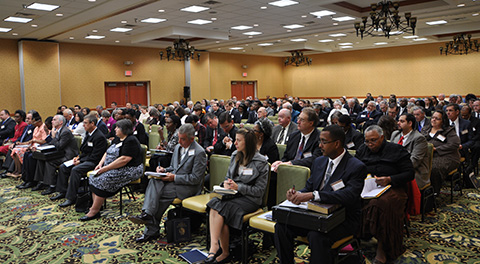
James’ warning is striking because hearing the Word of God is such a regular part of our lives. We assemble each Sabbath to hear the Scriptures explained. We attend Bible studies, read Church literature and spend time studying the Bible personally. All of these place us regularly before the spiritual mirror James described.
Yet exposure to truth does not automatically lead to change.
We may listen carefully to a sermon or read an article that reveals an area of our lives needing correction. The principle is clear, the scripture is understood and the need for improvement seems obvious in that moment.
Soon after, life fills with responsibilities and distractions. Work demands attention, family responsibilities arise, and the normal pressures of daily living crowd in. Without realizing it, the conviction we felt when hearing God’s Word gradually fades as other concerns take priority.
In the physical sense, the mirror analogy seems absurd: A man looks at his reflection, sees himself plainly, and then walks away and immediately forgets what he saw.
Spiritually, however, this is our natural tendency. We can hear Scripture, see the problem and still fail to let it shape our actions. We may believe we are progressing simply because we continue to hear the truth, yet if the reflection never leads to change, James says we are deceiving ourselves.
This is why the command to examine ourselves carries such importance. Self-examination forces us to pause long enough to look carefully into the mirror of the Bible and ask: What do we actually see when we measure our lives against God’s standard?
What to Examine
Looking into the mirror of Scripture should lead us to ask where our conduct, attitudes and priorities may not yet fully reflect the character God is developing in us. When we look honestly at various areas in life, we could see attitudes or habits that need attention.
Relationships: One of the clearest tests of Christian character is how we treat other people. It is often easier to be patient and courteous in public. The real test usually comes in close relationships, where people see us at our best—and at our worst.
How do we respond when someone disagrees with us or challenges our judgment? Are we quick to forgive when an offense occurs, or do we quietly allow resentment to linger? Do our words reflect kindness and restraint, especially when we are tired or under pressure?
“Human nature has a powerful ability to justify itself and overlook its own flaws.”
God’s Word gives clear standards that help us examine ourselves: “Let all bitterness, and wrath, and anger, and clamor, and evil speaking, be put away from you, with all malice: and be you kind one to another, tenderhearted, forgiving one another” (Eph. 4:31-32). James also says that “the wrath of man works not the righteousness of God” (1:20), while Proverbs adds that “a soft answer turns away wrath” (15:1).
Regularly take an honest look at your relationships and consider whether your conduct reflects the humility, patience and love that God commands (Col. 3:12-13).
Work and Responsibilities: Another revealing test appears in how we approach our responsibilities. Colossians 3:23 instructs God’s people to do their work “as to the Lord, and not unto men,” reminding us that our daily responsibilities are not separate from our spiritual lives.
This raises important questions about our diligence and integrity. Do we give honest effort even when no one is watching? Are we careful to fulfill commitments and manage responsibilities faithfully? Or do small compromises occasionally slip in when circumstances make it easier to cut corners?
Christ taught that “he that is faithful in that which is least is faithful also in much” (Luke 16:10), and Ecclesiastes 9:10 says, “Whatsoever your hand finds to do, do it with your might.”
Personal Discipline: Self-control is another area where honest examination is essential. The fruit of God’s Spirit includes temperance, a quality that affects how we manage our time, emotions and personal habits (Gal. 5:22-23).
Do we exercise discipline in how we use the hours of each day? Are our priorities aligned with what we know God expects? What distractions or habits have crowded out spiritual matters?
Scripture repeatedly emphasizes the importance of self-control and spiritual focus. Paul wrote, “Every man that strives for the mastery is temperate in all things” (I Cor. 9:25), reminding us that spiritual growth requires effort and discipline. Peter likewise instructs us to “be sober, be vigilant” (I Pet. 5:8), guarding our minds and habits carefully.
The mirror of God’s Word helps reveal whether our daily choices are strengthening our spiritual lives or quietly pulling us in another direction.
Staying Close to God: Finally, it is worth examining the consistency of our relationship with God. Many people find that their focus on prayer, study and reflection naturally increases as Passover approaches. That renewed attention can be valuable, yet it also raises an important question: Has our spiritual focus remained steady throughout the year, or does it intensify only during certain seasons?
Jesus Christ told His followers that a life of obedience requires steady commitment: “If any man will come after Me, let him deny himself, and take up his cross daily, and follow Me” (Luke 9:23).
Our relationship with God must be built day by day through prayer, study and obedience to His Word.
Passover and the Mirror
Passover examination is not just a time for personal reflection. It is closely connected to the symbols of bread and wine we are about to take.
When Paul instructed the Church to examine themselves in I Corinthians 11, he immediately followed that command with a sobering warning: “He that eats and drinks unworthily [irreverently], eats and drinks damnation [judgment] to himself, not discerning the Lord’s body” (vs. 29). This is serious.
Passover reminds us that Christ suffered and died because of sin—our own sins. The bread and wine point to the sacrifice that was required because of human nature. Left unchecked, it produces attitudes and actions that separate us from God. When we look honestly into the mirror of Scripture, we begin to see those attitudes more clearly.
This realization should not lead to discouragement but to humility. The more clearly we see our own shortcomings, the more deeply we understand why Christ had to suffer and die. The mirror of God’s Word reveals the very sins that made His sacrifice necessary.
Deep self-examination helps us properly discern the Lord’s body. It reminds us that the sacrifice we remember at Passover is not just a distant religious idea. Jesus Christ, who was without sin, suffered and died because of real human weakness and real human sin—including our own.
When we approach the Passover with this understanding, the symbols take on deeper meaning. The bread reminds us that Christ willingly allowed His body to be broken so that we might be healed (Isa. 53:5). The wine reminds us that His blood was shed so that our sins could be forgiven (Matt. 26:28).
This knowledge should motivate us to take a long, deep look into God’s mirror.
Remember Your Reflection
Passover provides an important opportunity to pause and look carefully into the mirror of God’s Word. The command to examine ourselves invites us to step back from the normal pace of life and measure ourselves against God’s standard.
But the purpose of that examination does not end once the Passover season ends. Remember that James said that the one who benefits from the mirror is the person who “looks into the perfect law of liberty, and continues therein” (1:25).
What we see in the mirror of God’s Word must stay with us and guide how we live each day.
Self-examination invites us to look honestly into that mirror. The real test comes afterward—when we walk away and choose whether to remember what we saw.