
 Getty Images
Article
New guidance about recess illustrates an important responsibility parents have.
Learn the why behind the headlines.
Subscribe to the Real Truth for FREE news and analysis.
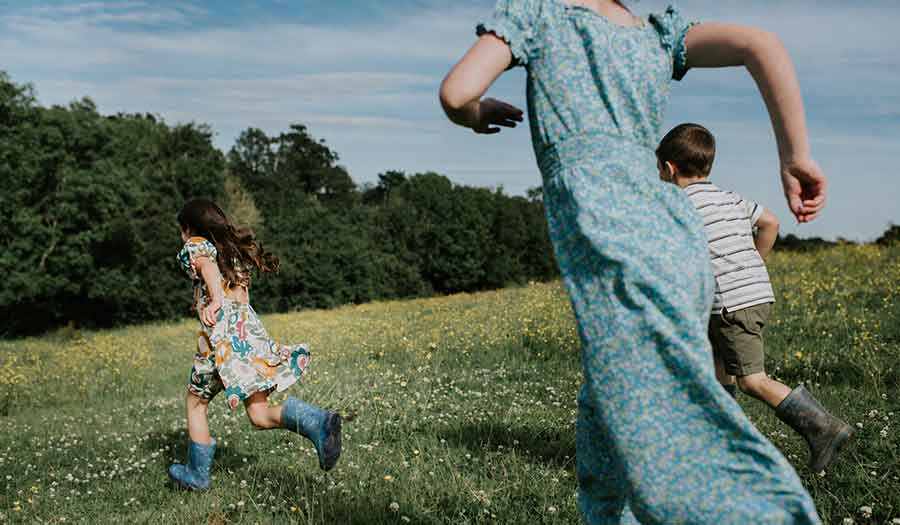
Subscribe NowA leading pediatric organization recently released its first new guidance on recess in 13 years, and its message is clear: Recess needs to be protected.
The updated policy statement from the American Academy of Pediatrics comes after years of shrinking recess periods and worsening health among children. Researchers cited growing evidence that students need breaks between concentrated periods of learning.
These pauses during a school day help the brain process and store information more effectively. Recess also gives children opportunities to build confidence, develop social skills and navigate relationships with their peers.
The benefits extend beyond the classroom. The report emphasized that physical activity plays an important role in preventing obesity, which now affects approximately one in five children and teenagers in the United States.
Simple, right? If you have been a parent for any length of time, you know kids need time to be active.
Yet despite the many advantages, recess has steadily declined. Since the mid-2000s, up to 40 percent of school districts nationally have reduced or eliminated recess, according to data from the group Springboard to Active Schools in collaboration with the U.S. Centers for Disease Control and Prevention.
There is a bigger lesson here than meets the eye. Understanding the benefits of recess as schools deemphasize its importance should motivate parents to take stock of what is happening at home.
Parents, you are your child’s greatest teachers. And you can teach them to be active.
Establishing healthy habits early on matters more than we may realize. Thousands of years ago, the biblical king Solomon recorded, “Train up a child in the way he should go: and when he is old, he will not depart from it” (Prov. 22:6).
Exercise can seem like an obvious priority. But in a world filled with busy schedules and endless distractions, physical activity is often one of the first things pushed aside. Children need to be taught to stay active so when they grow old they do not depart from that.
Proven Benefits
Long before modern studies confirmed these benefits, Scripture showed the value of physical activity. Notice I Timothy 4: “For bodily exercise profits little: but godliness is profitable unto all things” (vs. 8).
The apostle Paul knew exercise provided genuine benefits, and he acknowledged this in his letter to Timothy, a young minister. The New Living Translation renders the first part of this verse as simply: “Physical training is good.”
Likewise, the apostle John wrote, “Beloved, I wish above all things that you may prosper and be in health, even as your soul prospers” (III John 2). Any parent would say the same thing about their children.
While exercise is not a cure-all, the CDC has found that regular physical activity strengthens bones and muscles, improves heart and lung health, helps maintain a healthy weight and reduces the risk of several chronic diseases in children.
There are mental benefits as well. Physical activity supports brain health, improves attention and memory, reduces the risk of depression and can improve academic performance.
Make a Routine
Whenever we teach our children something, repetition is key. Deuteronomy 6 illustrates this: “And these words, which I command you this day, shall be in your heart: and you shall teach them diligently unto your children, and shall talk of them when you sit in your house, and when you walk by the way, and when you lie down, and when you rise up” (vs. 6-7).
Some of the most effective teaching happens naturally during ordinary activities. A family walk, a bike ride or even working together in the yard can become opportunities for exercise as well as conversation, instruction and relationship-building.
According to the CDC, children and adolescents ages 6 to 17 should get at least 60 minutes of moderate-to-vigorous physical activity each day. They also recommend activities that strengthen muscles and bones at least three days each week.
Many parents understand that exercise is important, yet family schedules can quickly become crowded with schoolwork, extracurricular activities, household responsibilities and entertainment.
The good news is that building an active lifestyle can be woven naturally into everyday family routines.
You do not need expensive equipment or elaborate fitness programs to encourage activity. A parent who enjoys jogging might allow a child to ride a bicycle alongside. Someone who regularly walks for exercise could invite a child to join them and use the time for conversation. Even physically active chores—raking leaves, gardening, washing the car or carrying groceries—can help kids develop the habit of movement while contributing to family life.
In Galatians 6, Paul encouraged Christians, “Let us not be weary in well doing: for in due season we shall reap, if we faint not” (vs. 9).
Here, Paul was expressing a timeless principle: Worthwhile investments rarely produce immediate results. Parents see this every day. Character is not built in a week, and neither are healthy habits. Teaching children to be active requires repeated encouragement, consistent routines and patience when progress seems slow.
Parents with children of different ages may wonder how everyone can participate together. A toddler may enjoy a short walk while older siblings ride bicycles. Try some different things and see what works well for your family. Be patient with each other and with yourself. The goal is not elite athletic performance—it is creating a culture where movement is a normal part of family life.
Even on busy weekdays, activity does not have to be complicated. A 15-minute walk after dinner or a quick game of catch in the backyard before bedtime can help children stay active while giving families valuable time together.
The effort is worthwhile. Over time, those small decisions can help establish habits that benefit children for years to come. Parents are planting seeds today that can bear fruit later.
Another important consideration is screen time. Technology can be useful and enjoyable, but it can also consume large portions of a child’s day.
According to the 2025 Common Sense Census, children age 8 and younger spent an average of two and a half hours on a screen each day. Children under age 2 averaged about an hour per day, while those ages 5 to 8 averaged about three and a half hours. One in five children in the study used screen media for four hours or more on a given day. While technology has many benefits, it can easily crowd out opportunities for physical activity, outdoor play and face-to-face interaction.
This is where parents play a crucial role. Teaching children when to turn off a device and engage in more productive activities helps build the self-discipline that Scripture emphasizes.
Notice what I Corinthians says: “And every man that strives for the mastery is temperate in all things” (9:25). The word temperate refers to moderation and self-control. Parents can help their children develop these qualities by teaching them how to balance entertainment and physical activity.
For example, many parents have heard a child say, “Can I play one more game?” or “Can I watch one more episode?” In those moments, it is easy to say yes. And sometimes that is okay. But teaching a child to put away a device and go outside, take a walk, ride a bike or assist with an outdoor chore helps them develop self-control. Even if it is not as appealing at first as screen time, they will eventually be glad you helped them become balanced with their time.
Your children will learn that entertainment has its place, but it should not crowd out healthier and more productive pursuits.
Be an Example
Instruction is most effective when it is accompanied by a good example. Titus 2 says: “In all things showing yourself a pattern of good works” (vs. 7). The word pattern refers to a model that others can follow. This principle is especially important for parents.
Children certainly learn through what they are told, but they often learn even more through what they observe. They notice how their parents spend their time, what they prioritize and which habits they practice.
A child who sees his parents taking walks, working outdoors, enjoying recreational activities or choosing movement over screen time learns that being active is simply part of life.
Conversely, if exercise is treated as something to be avoided, children often adopt the same perspective.
Consider a common scene in many homes. A parent arrives home tired after work and sits down with their phone or turns on the television. The child naturally follows suit. The opposite is also true. When parents suggest a walk around the neighborhood, a game in the backyard, or a trip to the park—even when they are tired—they communicate that physical activity is worth prioritizing. Children notice those choices.
This does not mean parents must become star athletes or fitness experts. It means demonstrating that physical activity is a normal and worthwhile part of life.
These experiences do more than promote physical health. A child may not remember every walk around the neighborhood or every game played in the backyard, but he will remember the conversations, laughter and time spent together. Exercise can create memories that strengthen family bonds long after the activity itself is forgotten.
Build a Better Future
The American Academy of Pediatrics’ policy statement on recess and the plain Bible verses we have looked at agree: Children need opportunities to move, explore, play and interact.
You do not need to wait for schools to provide those opportunities. You can foster an active lifestyle long before your child enters a classroom and long after the school day ends.
The need for such instruction is greater than ever. Modern society often encourages convenience, entertainment and inactivity. Teaching children to be active requires parents to swim against the current.
Look at Proverbs 22:6 one more time: “Train up a child in the way he should go: and when he is old, he will not depart from it.”
Lessons taught in childhood can endure into adulthood. By making physical activity a normal and enjoyable part of family life, you can help prepare your children for a healthy future.
This article contains information from The Associated Press.

More on Related Topics:
Latest News
-
October 9, 2026
- What Will the Next Leader of the UN Need to Get the Job Done in an Increasingly Complex World? October 8, 2026
- UN Health Agency Wants More Details from Russia on Suspected Pneumonic Plague Case
- Ukraine Claims to Have Taken Out More Than Half of Russia’s Oil Refining Capacity
- Violence Has Displaced Members of More Than Half a Million Mexican Households in Past 5 Years
- As Iran War Smolders, Shunned Eritrea Looks to Come in from the Cold September 15, 2026
- U.S. Acknowledges for the First Time that It Has Deployed Weapons in Space
- Some Russians Are Fleeing Abroad, Citing Draft Fears and a Loss of Freedom September 11, 2026
- Americans Mark 25 Years Since September 11 Attacks amid Enduring Grief, Reflection
- Yemen’s Iranian-Backed Houthis Seize an Island in a Key Strait, Opening a New Front in the Iran War September 10, 2026
- The Push to Remove Lead Pipes Is On. Thousands of Water Systems Still Don’t Know Where Theirs Are September 9, 2026
- Family Interest in Education Falls as Test Scores Drop
- The Poorest in the U.S. Can’t Find Housing Even as Low-Income Units Sit Empty September 1, 2026
- In U.S. West, Drought Pits Farms Against Industry
- Why Christians Must Watch the News
- Teach Your Children to Be Active
- What Comes After America 250? August 31, 2026
- How Brexit Broke British Politics
- How to Keep the Sabbath
- Aliens and the Bible?
- Building Character in a Crooked World